
Key Takeaways
- A rheumatoid arthritis (RA) flare is a period when joint pain, swelling, and stiffness get worse, even for people who take their medicine as prescribed.
- Common triggers include stress, poor sleep, infection, overexertion, and tapering or stopping treatment.
- Weather may play a small role for some patients, but research on weather and RA pain is mixed.
- Catching early warning signs and keeping a simple symptom diary helps a rheumatologist adjust treatment before a flare causes lasting damage.
- Denver Arthritis Clinic offers rheumatoid arthritis care at its Lowry and Lone Tree locations, and patients can ask their primary care physician for a referral to start a rheumatology evaluation.
Common Physical and Lifestyle Triggers for RA Flares
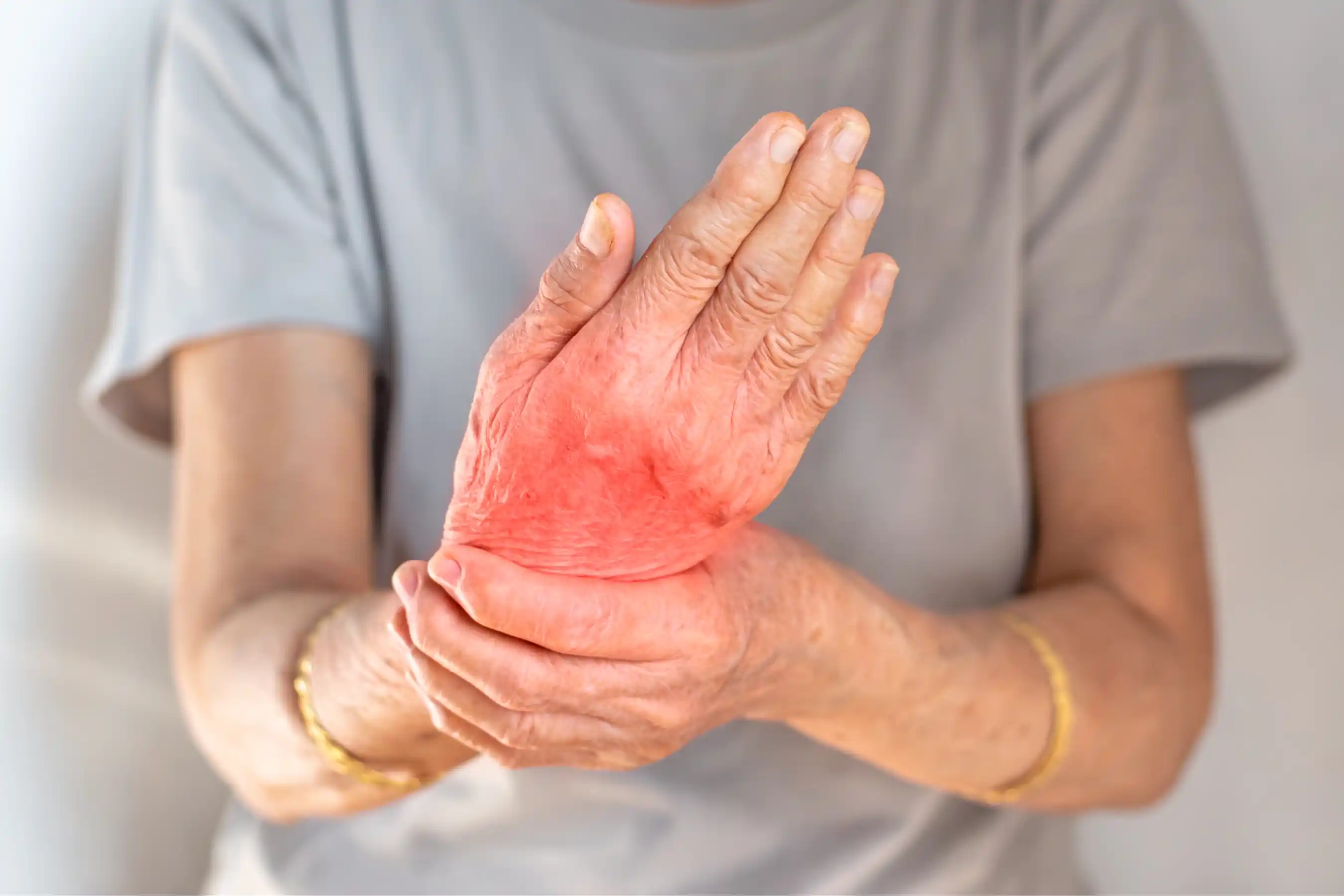
RA flares can feel unpredictable. One week joints feel fine, and the next they are stiff, swollen, and tender. According to the Arthritis Foundation, an RA flare can be tied to natural ups and downs in the processes that cause inflammation. Flares vary in strength, length, and how often they happen, and they are usually reversible when treated promptly.
The same source lists several triggers that patients can often spot over time:
- Tapering or stopping treatment
- Overexertion
- Stress
- Infection
- Poor sleep
Missed or Reduced Treatment
For most people, flare risk rises when treatment is tapered or stopped. Disease-modifying medicines keep RA in a low-activity state, but they are not a cure. Patients should talk to their rheumatologist before changing or skipping any dose, even when they feel well.
How Stress and Sleep Affect RA Symptoms
Stress does more than affect mood. The Arthritis Foundation explains that stress sets off the immune system's inflammatory response, and inflammation is what drives joint damage in RA. The same article notes that people with RA have named stress as a trigger for flares in research. Pain, fatigue, and poor sleep can also feed one another, which makes stress harder to manage.
The Role of Weather and Seasonal Changes in RA Flares
Many Denver patients say their joints ache before a storm or during cold snaps. The science is less clear. A systematic review and meta-analysis of weather and RA found no significant overall link between temperature, atmospheric pressure, humidity, or wind speed and RA pain. The researchers did find that temperature and atmospheric pressure may modestly affect some RA symptoms, such as tender and swollen joint counts.
In plain terms, weather may nudge symptoms for some people, but it is rarely the only cause of a flare. Patients cannot control the forecast, so tracking other triggers is usually more useful.
| Trigger | Can Patients Influence It? | Helpful Step |
|---|---|---|
| Tapering or stopping treatment | Yes, with their doctor | Keep medicines on schedule and ask before changing a dose |
| Stress | Partly | Build in rest breaks, gentle movement, and relaxation habits |
| Poor sleep | Partly | Keep a regular sleep schedule and report ongoing sleep problems |
| Infection | Partly | Tell the rheumatology team about illness, especially if symptoms worsen |
| Overexertion | Yes | Balance activity with rest during active periods |
| Weather | No | Track symptoms to see whether a pattern appears |
Recognizing Early Flare Warning Signs
A flare often starts with a sudden change from a patient's usual baseline. Watch for:
- Joint pain, swelling, or tenderness that is worse than normal
- Longer or more intense morning stiffness
- Unusual fatigue
- Low-grade fever
The Arthritis Foundation notes that untreated RA flares can raise the risk of joint damage and poorer long-term outcomes. For that reason, calling the rheumatology team at the first signs of a flare is a smart move.
Building a Flare Management Plan With Your Doctor
A flare plan gives patients a clear next step when symptoms change. A rheumatologist at Denver Arthritis Clinic can help patients decide when to call, when to adjust treatment, and which options fit their needs. Those options can include oral disease-modifying medicines and, for some patients, infusion therapy.
Patients can also help the process by keeping a symptom diary. Note sleep, stress, illness, activity, and medicine changes in the days before a flare. Over time, this record may show a pattern that guides treatment decisions. Learn more about care for rheumatoid arthritis at Denver Arthritis Clinic.
Get Help Managing RA Flares With a Denver Rheumatologist
RA flares are common, but they do not have to take over daily life. Knowing the triggers, spotting early warning signs, and working with a rheumatologist on a flare plan can help protect joints and keep symptoms under control.
If you have joint pain, swelling, or stiffness that keeps coming back, talk to your primary care physician about a referral to Denver Arthritis Clinic for rheumatoid arthritis care in Lowry or Lone Tree. Visit the Denver Arthritis Clinic homepage to learn more about the practice and its rheumatologists.
Frequently Asked Questions
What causes RA flare-ups?
Common triggers include stress, poor sleep, infection, overexertion, and tapering or stopping treatment. Triggers differ from person to person.
What are rheumatoid flare symptoms?
Typical signs include worse joint pain, swelling, and stiffness than usual, along with fatigue. Some people also notice a low-grade fever.
How is rheumatoid arthritis flare treatment handled?
A rheumatologist reviews symptoms and may adjust treatment. Patients should call their care team at the first signs of a flare instead of waiting.
Can stress really make rheumatoid arthritis flares worse?
Yes. Stress sets off the body's inflammatory response, and people with RA have reported stress as a flare trigger.
How do I find a rheumatologist near me in Denver for RA care?
Ask your primary care physician for a referral to Denver Arthritis Clinic, which has rheumatologists in Lowry and Lone Tree.
